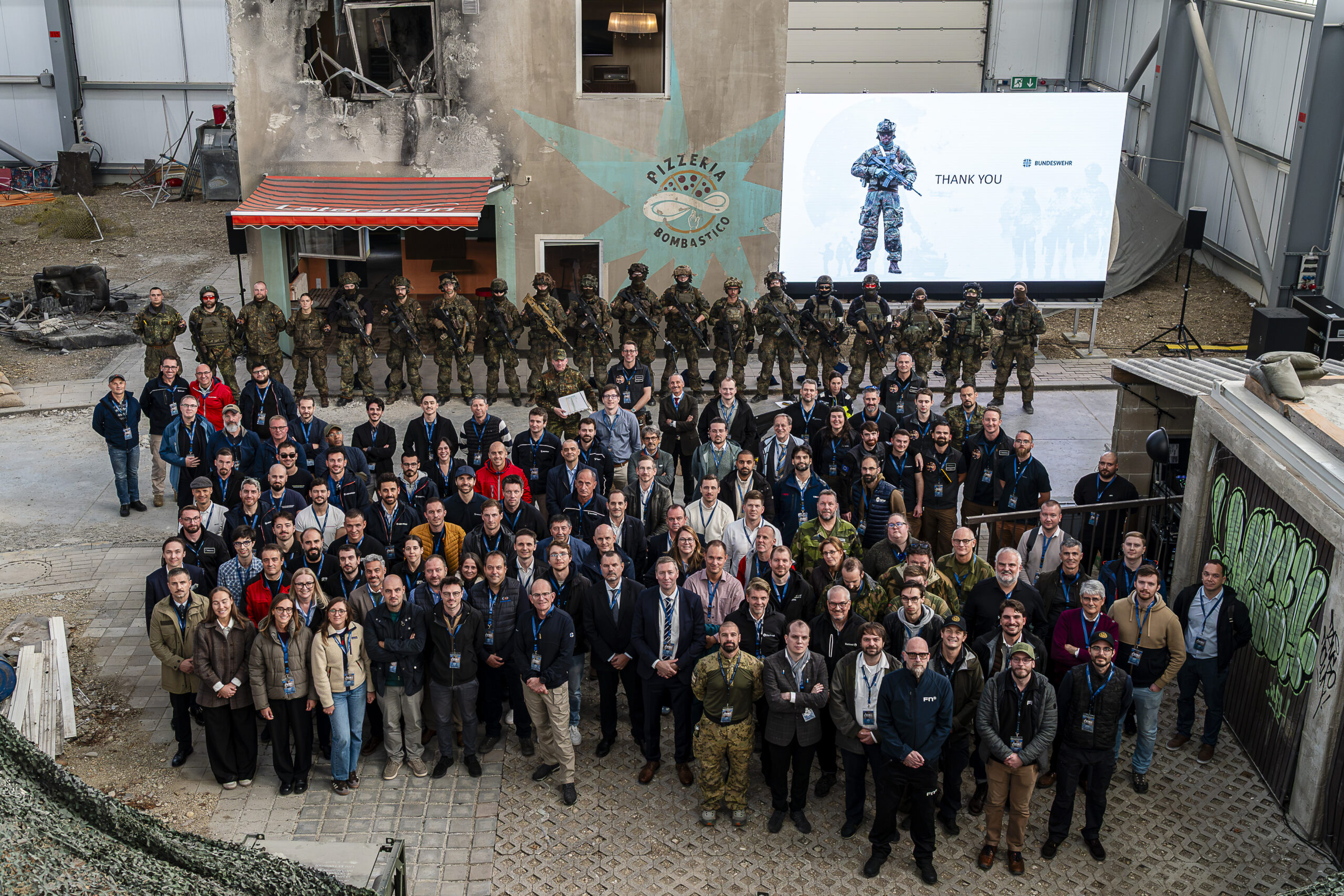
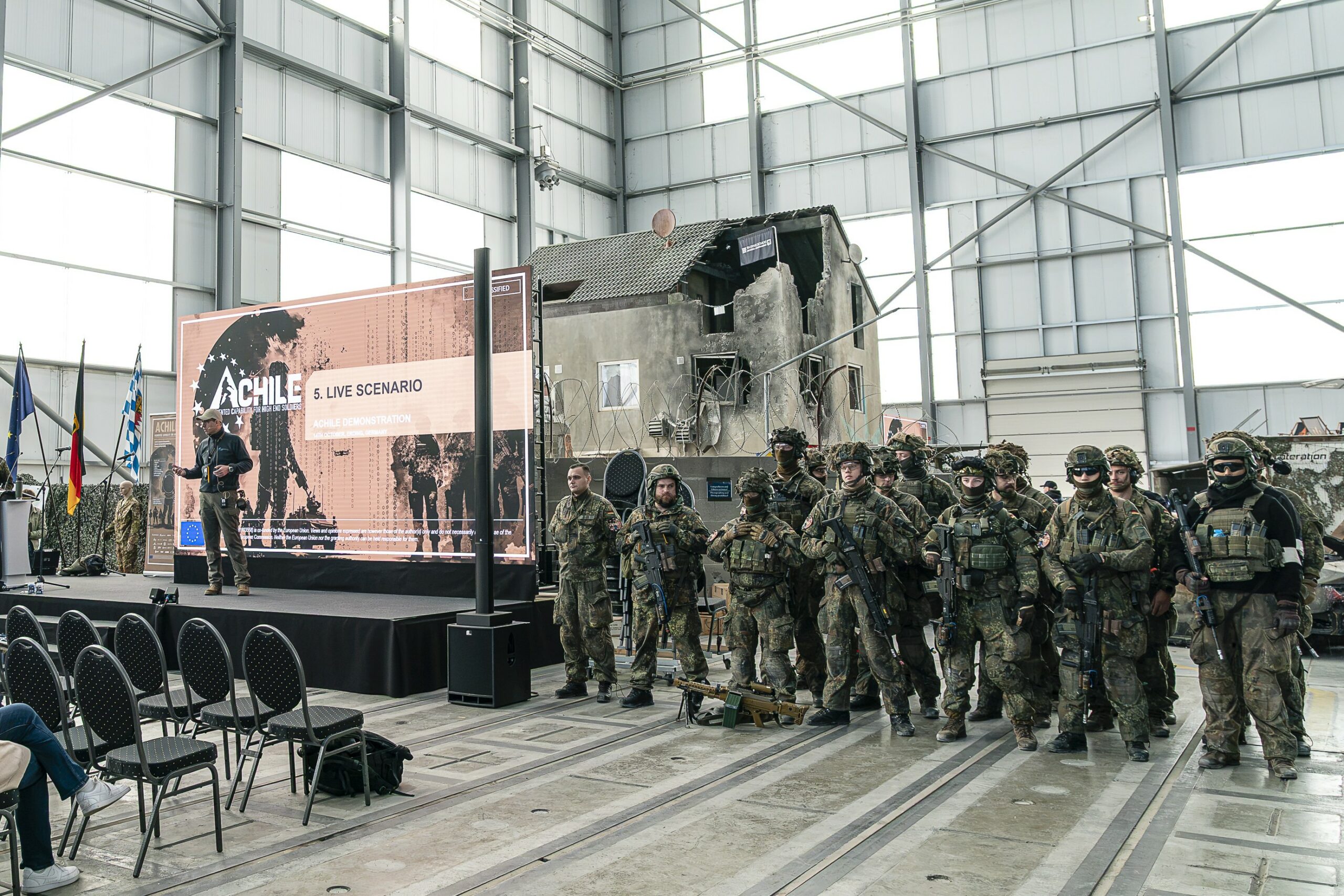
The final demonstration of the ACHILE project, supported by the European Defence Fund, took place in Erding, Germany. It presented several years of European collaborative research and development to the European Commission and to representatives of the participating Ministries of Defence.
A European architecture for future soldier systems
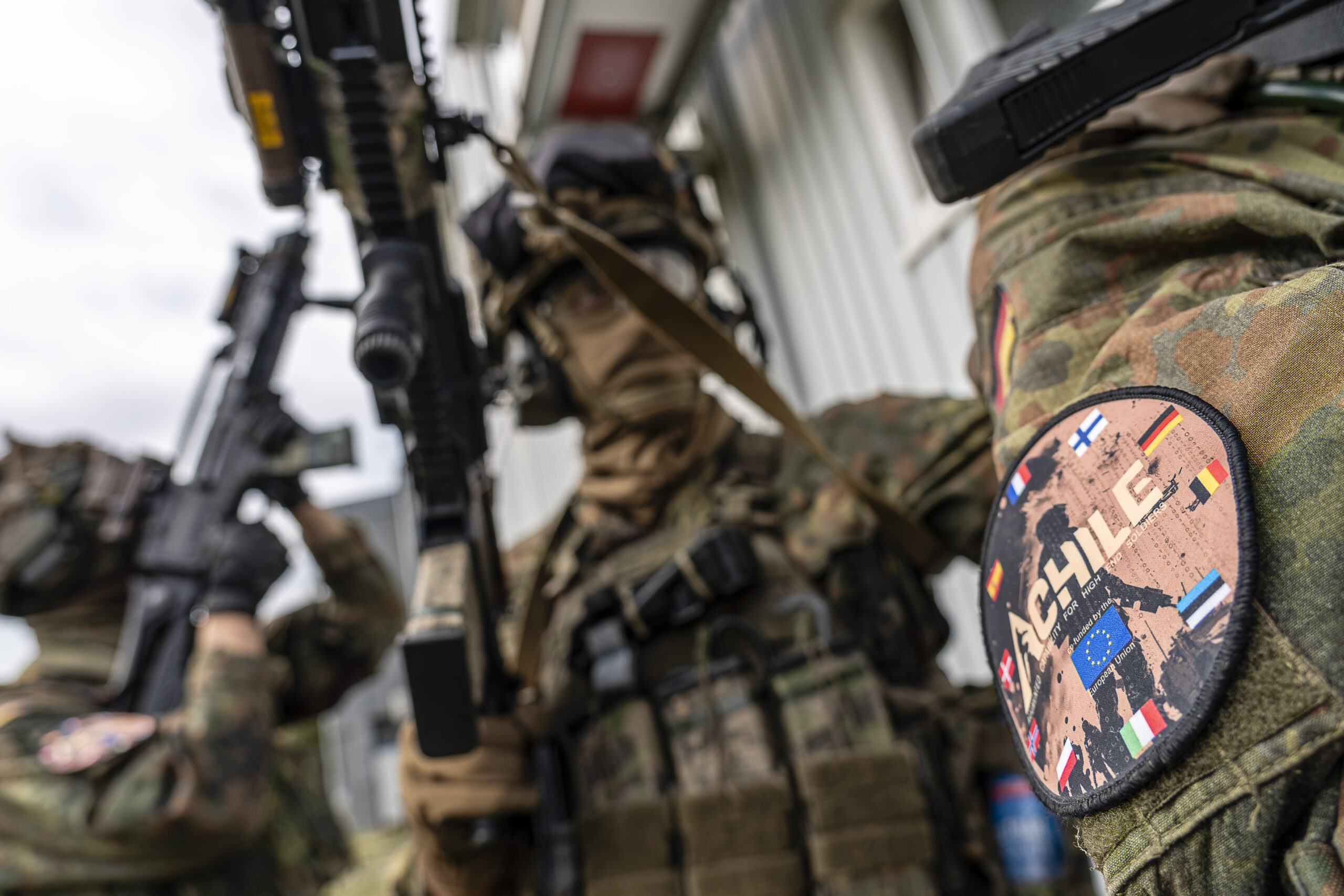
ACHILE aims to shape the next generation of dismounted soldier systems. It develops and demonstrates an open, modular and interoperable architecture that brings together advanced capabilities from across Europe.
The project is led by Safran Electronics & Defense. It brings together 27 partners from industry, research and defence organisations to develop innovative and interoperable solutions for future dismounted soldier systems.
FN Herstal’s contribution: weapon integration and fire control
Within the project, FN Herstal contributes its expertise in weapon integration and next-generation fire control technologies.
One of the innovations demonstrated was a modular ecosystem that connects sensors, optics and weapon-mounted electronics. It helps soldiers engage targets faster and more accurately while improving battlefield situational awareness. With the system, users can:
- detect and identify targets
- perform ballistic calculations
- exchange tactical information
- visualise shared battlefield data
All of this is done without taking their eyes off the target.
“Developing sovereign solutions together”
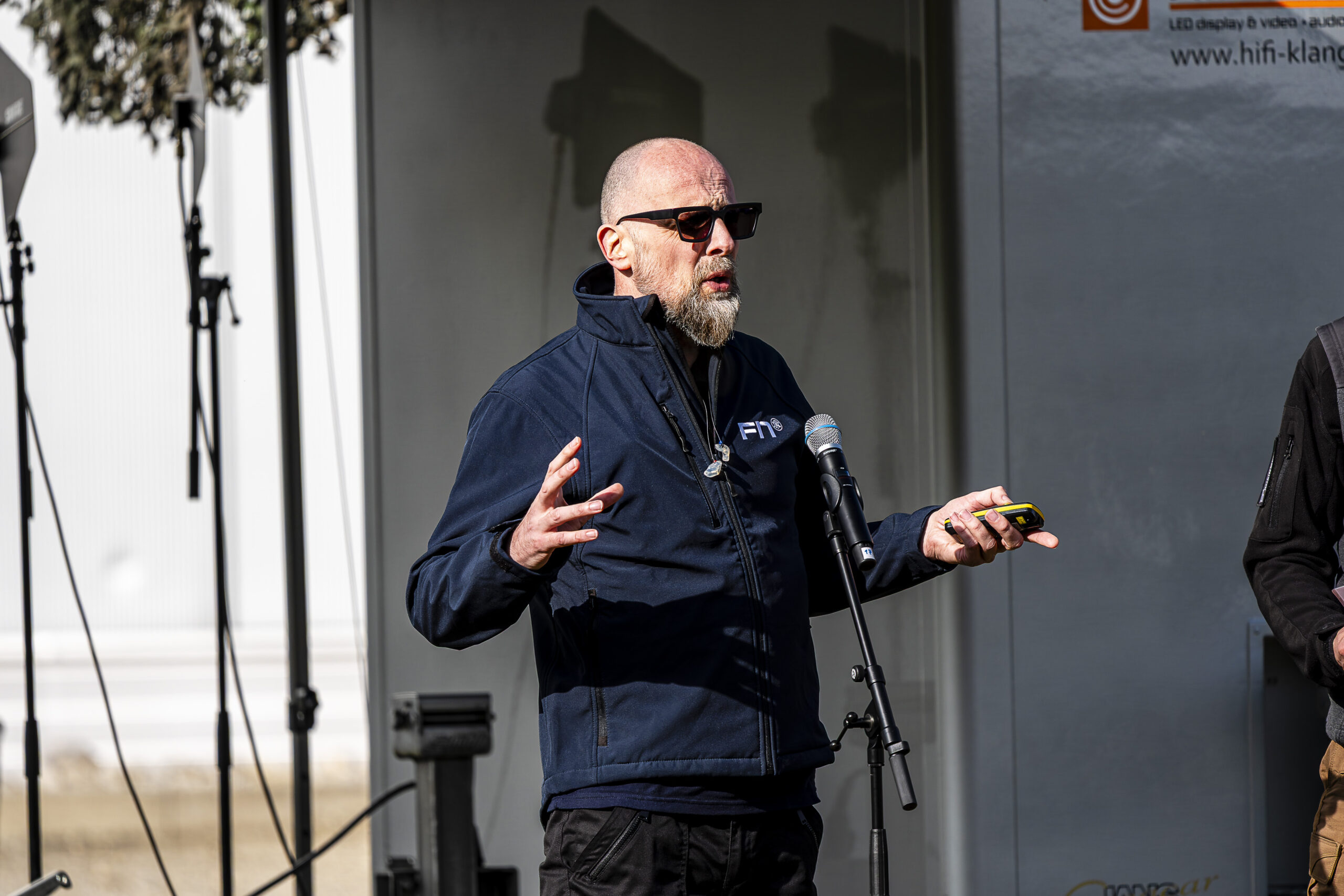
Tom Maris, Project Lead at FN Herstal
“ACHILE shows what can be achieved when European defence companies work together to combine their strengths and develop sovereign solutions. The project has not only advanced technology but also provided important insights into how standards and collaboration frameworks can be improved. The next challenge is ensuring that innovation keeps pace with operational needs through continuous engagement with end users.”
The ACHILE project (101103558) is funded by the European Union. Views and opinions expressed are however those of the author(s) only and do not necessarily reflect those of the European Union or the European Commission. Neither the European Union nor the granting authority can be held responsible for them.